
Planning LASIK in Seoul with an HSA? Here are the limits to check before you book, the questions to ask your administrator, and what recovery looks like once you are home.
What counts as a qualified expense for LASIK
Does it still work when the surgery is in Seoul?
The three limits to check before you book
When LASIK is not the right surgery, and what it means for the plan
How a Seoul trip is built around the surgery
Four questions to put to your HSA administrator
What side effects and risks should I expect after I fly home?
Usually yes: when people ask can you use hsa for lasik, the IRS answer is that eye surgery to treat defective vision, such as laser eye surgery, counts as a medical expense. The harder part for patients flying in from the US is the paperwork after the card has been used in Seoul and the plane has landed back home, and what happens if an eye needs a re-check months later.
Before you read the tax details, send one thing on WhatsApp: your travel dates, or a photo of your latest prescription.
At EYEONCE, Dr. Baek Dong-won handles diagnosis, surgery and follow-up personally, and Lifetime Aftercare means you can come back for a re-examination at any time, with re-treatment support where appropriate (the details are confirmed during consultation). That matters for an HSA plan, because the money is paying for a process, not one afternoon.
IRS Publication 502 (2025) lists eye surgery to treat defective vision, such as laser eye surgery, among includible medical expenses. Publication 969 defines an HSA qualified medical expense as an amount paid for medical care for you, your spouse or your dependents. LASIK, LASEK and SMILE LASIK all correct a refractive error, so they sit on the vision-care side of that line.
The same publication says you generally can't include cosmetic surgery. Nobody mistakes vision correction for a facelift, but it explains why an itemized receipt that names the procedure is worth keeping.
| Item | Usually HSA-eligible? | Watch for |
|---|---|---|
| Laser vision correction | Yes, as surgery for defective vision | Keep an itemized receipt |
| Transportation to the care | Yes if primarily for and essential to it | Pub 502 wording |
| Hotel nights | Partly | A nightly cap per person |
| Meals and sightseeing | No | Pub 502 leaves meals out |
The parts of Publications 502 and 969 reviewed for this article do not treat laser eye surgery differently by country, and an HSA is your account, so the practical gatekeeper is your administrator. Whether it accepts a receipt from a Korean clinic, and what it wants to see before reimbursing you, is their call. Ask before you fly.
Two habits keep this simple. Pay in whatever way works abroad, then reimburse yourself from the account if your provider allows it; Publication 969 describes distributions that pay or reimburse qualified expenses. And keep the records yourself: the IRS says to keep them and not to send them with your return.
The reason to be careful is the penalty side. Publication 969 says distributions not used for qualified medical expenses are taxable income, with an additional 20% tax before age 65 in most cases.
Whether an HSA covers a procedure is a tax question, and I'm an eye doctor, not a tax adviser. From the medical side, the order I'd avoid is paying for surgery before you know you are a candidate. Get the exam result first, then sort out the account.
Limit one: the surgery has to happen. An HSA reimburses expenses, not hopes. EYEONCE only proceeds if your pre-op precision exam confirms you are a safe candidate, and if the exam says no, the right outcome is no surgery. Plan your payments so nothing irreversible is spent until the exam is done.
Limit two: the trip is only partly medical. Transportation primarily for and essential to the care can be included; Publication 502 caps lodging per night per person and leaves meals out. Sightseeing days are yours to fund another way.
Limit three: records and later visits. A next-day check-up, a re-check months later, or an eye visit near home are all medical care of their own, and each needs its own paper trail. Lifetime Aftercare covers returning to us for re-examination; for local visits at home, your administrator's rules apply.
The FDA's guidance on when LASIK may not be right for you lists conditions such as unstable vision, certain eye diseases and pregnancy or nursing as reasons to hold off or choose differently. The FDA's page on risks names dry eyes, glare, halos and the possibility of needing further treatment among the things to weigh. Results and recovery differ from person to person, and the in-person exam decides your suitability.
That is why the question "is my HSA money safe to commit?" cannot be answered before your eyes are measured. A thin cornea or a high prescription can move you toward a different method or a different lens procedure. Our site notes that LASEK preserves the corneal surface and can be preferable for thinner corneas, and our guide on who LASEK is actually for walks through that choice. If you have a high prescription and astigmatism together, how we assess high myopia and astigmatism explains the numbers that matter.
Before the exam, stop soft contact lenses for at least 5-7 days (2-3 weeks for hard or RGP lenses), so the cornea returns to its natural shape and the measurements are accurate. Bring your glasses and any prescription records.
Send it before you buy a flight, if you can.
For laser correction, about 3-5 days is typical. If your exam results are suitable, many patients complete the exam and surgery on the same day, with a next-day check-up before the flight home. Appointments are required. The clinic is open Monday, Tuesday, Thursday and Friday from 09:00 to 18:00 and Saturday from 09:00 to 16:00, with a lunch break from 13:00 to 14:00, and it is closed Wednesdays and Sundays.

The clinic is on floors 5-6 of Duo Sinnonhyeon, 368 Sapyeong-daero, Seocho-gu. Sinnonhyeon Station (Line 9 and Sinbundang Line) is a 3-minute walk from Exit 3, and the taxi ride from Incheon International Airport is roughly 60-75 minutes. Count your hotel nights from the Seoul schedule, since they are the line most likely to appear on your HSA paperwork.
Which one suits you is a corneal question, covered in what makes SMILE LASIK different and in LASIK in Korea: what to check first. For the whole trip, eye surgery in South Korea: start here covers the broader logistics.
Ask these in writing so you have an answer on file.
If the answers are unclear, a tax professional is the right person to ask. Neither the clinic nor this article can settle your tax position.
Expect vision to sharpen over the following days and weeks. Temporary haziness during the first 1-3 months is normal as the cornea heals; avoid screens where possible and use your prescribed drops and artificial tears. If you feel a foreign-body sensation or pain, visit a local ophthalmologist and then contact us. Our post on SMILE LASIK recovery and daily life covers the first weeks in more detail.
File your receipts the day you return, while the details are fresh. Reimburse yourself only for what you can show was qualified care, and keep the records with your tax files.
When you are ready to look at dates, send them on WhatsApp together with a photo of your current prescription.
Results and suitability vary by individual. Your procedure recommendation is confirmed only through an in-person diagnostic exam.
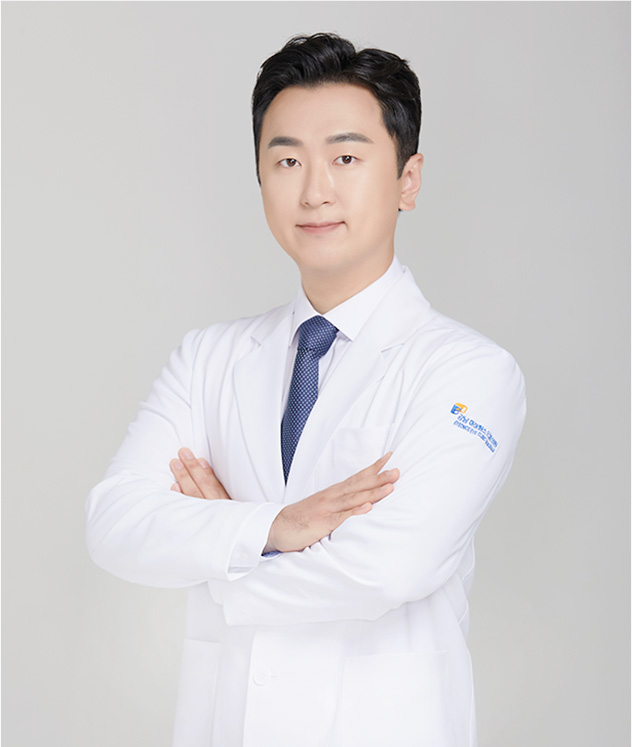
Representative Director · Former Clinical Instructor, Dept. of Ophthalmology, Samsung Seoul Hospital · Member, Korean Society of Cataract and Refractive Surgery · Member, American Society of Cataract and Refractive Surgery
International patients share what actually happened — from their first fears to waking up the next morning without glasses.
Our patients share their stories on Google — verified, public and unfiltered. Open the map to read every review straight from the source.
Tell us your prescription and travel dates. Our English-speaking team will design your personalized plan — free of charge, no pressure.
An English-speaking eye clinic in the heart of Gangnam, Seoul — moments from Sinnonhyeon Station and easily reached from Incheon International Airport.
5–6F, Duo Sinnonhyeon, 368 Sapyeong-daero, Seocho-gu, Seoul, South Korea
+82-10-6308-0984 — English, Chinese, Mongolian & Thai
Mon, Tue, Thu, Fri 09:00–18:00 · Sat 09:00–16:00 · Lunch break 13:00–14:00 · Closed Wed & Sun
By appointment only · Registration may close early depending on the day’s schedule.
Sinnonhyeon Station (Line 9 / Sinbundang Line) — 3 min walk. Gangnam Station (Line 2) nearby.