
A seoul cataract specialist replaces the clouded lens with an artificial one, and the lens family you pick (monofocal, EDOF or trifocal) shapes your glasses use more than the flight does.
What does a seoul cataract specialist actually do in the operating room?
Which lens suits which kind of eyes?
Four factors that decide your lens
What does the exam measure before a lens is recommended?
Is it a cataract, presbyopia, or something else?
What can go wrong, and who follows up after you fly home?
Planning around clinic hours and surgery day
What to send first
A seoul cataract specialist is an ophthalmologist who replaces your clouded natural lens with an artificial one, and the decision that shapes your trip is the lens you choose, not the flight. At EYEONCE in Gangnam, one doctor handles your diagnosis, your surgery and your follow-up, which speaks directly to the worry most overseas patients carry: who do I deal with once I am back home? Surgery itself takes roughly 10–20 minutes per eye.
The lens menu is wide: monofocal, extended-depth-of-focus (EDOF), trifocal, and toric versions for astigmatism. The sections below sort them by the eyes and daily lives they suit, then cover the exam, the risks and the clinic's hours, so you can plan before you book anything.
If you have a recent prescription or eye exam report, send a photo of it on WhatsApp together with the dates you could travel. The team replies in English (consultations also run in Chinese, Mongolian and Thai), and dates help because the clinic sees patients by appointment on Monday, Tuesday, Thursday, Friday and Saturday.
The surgeon removes the clouded lens through a small opening and puts an artificial lens in its place. At EYEONCE the process has four steps: a circular opening in the lens capsule, ultrasonic phacoemulsification to break up and remove the lens, insertion of the intraocular lens (IOL), and cleaning and stabilizing the eye.
A cataract is a clouding of the eye's natural lens. Light can no longer focus properly on the retina, so vision turns blurry, hazy and less vibrant, which many people describe as looking through a fogged window. Some people also notice double or ghosted images, glare and light scatter at night, or a short-lived improvement in near vision before things worsen. The American Academy of Ophthalmology and the National Eye Institute describe the same sequence: the cloudy lens comes out, an IOL goes in.
The clinic pairs the Centurion phacoemulsification system with a range of premium IOLs. Cataracts are not limited to age either. Diabetic, congenital, traumatic and secondary cataracts are treated here alongside the far more common age-related type, and every case starts with the same lens-family decision.
Match the lens to how you use your eyes. Monofocal gives one sharp distance, EDOF stretches the usable range, trifocal covers near, middle and far, and toric versions add astigmatism correction.
| Lens family | Tends to suit | Main trade-off |
|---|---|---|
| Monofocal (toric available) | One clear distance, usually far | Reading glasses for near |
| EDOF (e.g. Vivity) | Distance plus computer range | Fine print may still need glasses |
| Trifocal (e.g. Clareon PanOptix, FineVision) | Near, middle and far with the fewest glasses | More night glare or halos for some people |
Monofocal lenses are a dependable, proven choice, with options such as Mono I.SERT, Full Range and Serenity. For people who want the broadest freedom from glasses, the clinic offers trifocal and EDOF lenses from Alcon (Vivity, Clareon PanOptix), PhysIOL (FineVision, FineVision HP) and Johnson & Johnson (Symbiose, Synergy, Lisa tri). Toric versions of PanOptix, FineVision, Symbiose and Synergy let people with both cataracts and astigmatism avoid choosing between the two. The American Academy of Ophthalmology's patient guide to IOL implants describes the same families.
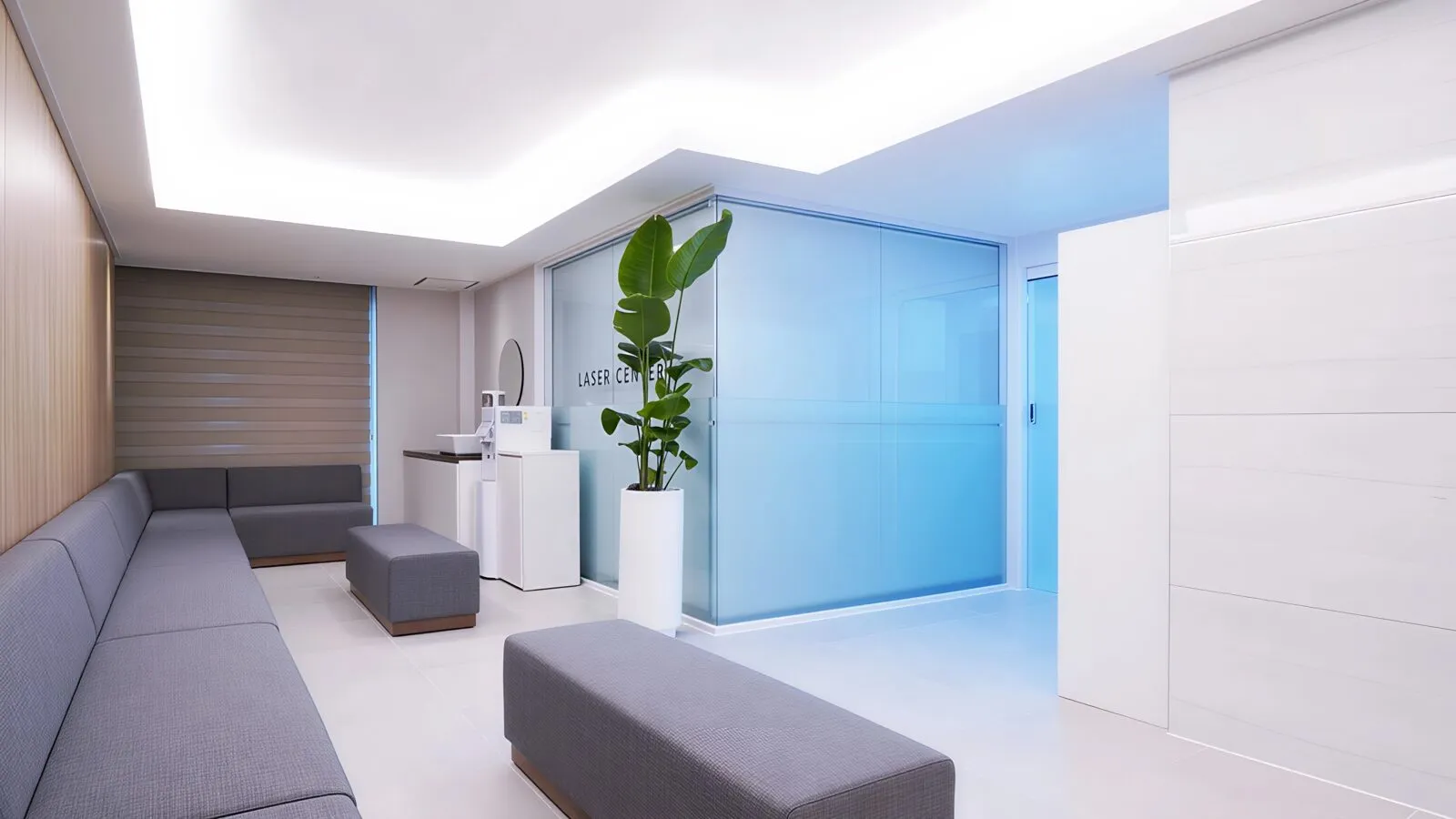
Four factors, mapped during your consultation, decide the lens: where you want your vision focused, whether astigmatism needs correcting, how much night glare you will tolerate, and how much you want to depend on glasses. Prescription alone does not settle it.
A person who drives at night for work and a person who reads and sews all day can have identical numbers and need different lenses. Distance clarity and near-and-far freedom pull in different directions, and the more a lens spreads light across several distances, the more some people notice rings around lights after dark. That is a trade-off to weigh, not a flaw to hide.
Astigmatism is the factor people overlook. If you already know yours is significant, the logic of how corneal numbers steer the choice is laid out in how the numbers decide your procedure, and the combined case is covered in assessing high myopia and astigmatism together.
A lens that frees you from reading glasses can cost you comfort driving at night, and a lens tuned for distance can leave you reaching for readers. There is no lens that gives everything, and I would rather you choose with that in view.
The diagnostics room runs several Topcon imaging stations side by side: corneal topography, pachymetry (corneal thickness), OCT scanning of corneal and retinal structure, and automated refraction and keratometry. These map your eyes in detail before any procedure is recommended.
Each measurement answers a different question. Topography and keratometry show the shape of the cornea, which is how astigmatism is quantified and whether a toric lens is worth considering. OCT looks at the layers of the cornea and retina, and in general a retina problem changes how suitable a lens that splits light across distances is. Automated refraction gives the baseline prescription that the lens power is built around.
Suitability is confirmed in person at this exam, which is why a photo of a prescription can open the conversation but cannot close it.
Cataracts usually develop from the 50s or 60s onward, and the clinic recommends a screening from your 50s, earlier if you notice glare, halos or clouding. Between 45 and 55 several options may apply, and a premium IOL can address cataract and presbyopia together.
That overlap is why reading glasses creeping up in your late 40s does not automatically mean surgery, and why hazy vision in your 50s does not automatically mean cataract. If you are still comparing routes, the overview of eye surgery in South Korea puts the procedures side by side. And if an adult child is the one asking about laser correction for their own eyes, the SMILE LASIK recovery timeline answers a different set of questions than this post does.
Common temporary effects after cataract surgery include glare, dry or gritty eyes and blur in the first days. Less common problems include infection, inflammation and, rarely, retinal detachment. The National Eye Institute also notes that the thin membrane behind the new lens can cloud later, which a quick laser step can treat.
Multifocal and trifocal lenses carry the added trade-off of halos and glare at night, so that tolerance belongs in the decision. Recovery varies from person to person, and the aftercare rules matter more than the speed: an eye shield while you sleep for a week, no strenuous exercise for a month, and a clear timeline for when you can wash your face and bathe.
One doctor guides you from diagnosis through surgery and follow-up. The clinic's Lifetime Aftercare covers re-checks at any time and re-treatment support when needed, with the detailed conditions confirmed at consultation. For the trip in, the clinic provides directions from Incheon Airport by taxi, by AREX plus subway, or by limousine.
The clinic is open Monday, Tuesday, Thursday and Friday 09:00–18:00 and Saturday 09:00–16:00, with a lunch break 13:00–14:00. It is closed Wednesdays and Sundays, and an appointment is required.
On surgery day, expect arrival and preparation in the morning, roughly 10–20 minutes of actual surgery per eye, and recovery at the clinic before you leave, often complete within a few hours. The address is 5–6F, Duo Sinnonhyeon, 368 Sapyeong-daero, Seocho-gu, Seoul.
Send a photo of your latest prescription card or eye exam report on WhatsApp, plus the dates you could travel. Add whether you wear glasses for distance, reading or both, and mention any eye condition you already know about, such as diabetes-related eye changes. The team replies in English, and you can then bring the lens table above, and your own questions about glare and glasses, to the exam in Gangnam.
Results and suitability vary by individual. Your procedure recommendation is confirmed only through an in-person diagnostic exam.
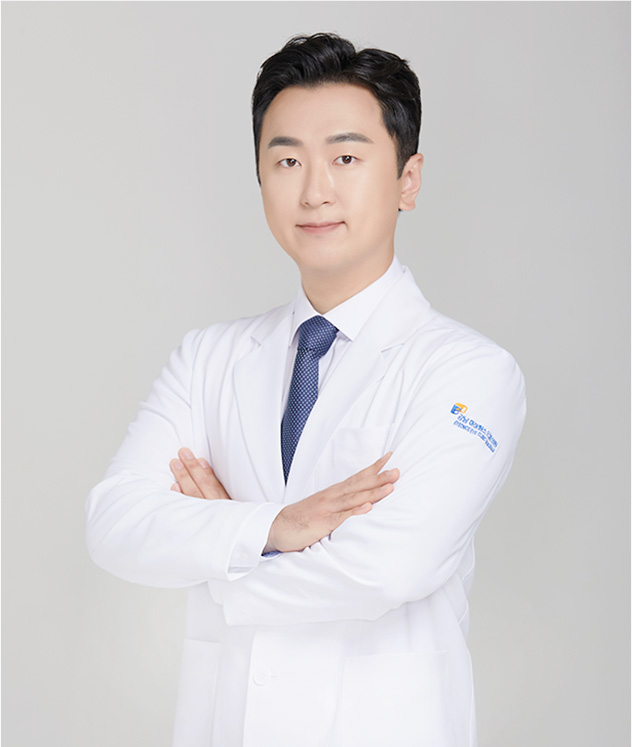
Representative Director · Former Clinical Instructor, Dept. of Ophthalmology, Samsung Seoul Hospital · Member, Korean Society of Cataract and Refractive Surgery · Member, American Society of Cataract and Refractive Surgery
International patients share what actually happened — from their first fears to waking up the next morning without glasses.
Our patients share their stories on Google — verified, public and unfiltered. Open the map to read every review straight from the source.
Tell us your prescription and travel dates. Our English-speaking team will design your personalized plan — free of charge, no pressure.
An English-speaking eye clinic in the heart of Gangnam, Seoul — moments from Sinnonhyeon Station and easily reached from Incheon International Airport.
5–6F, Duo Sinnonhyeon, 368 Sapyeong-daero, Seocho-gu, Seoul, South Korea
+82-10-6308-0984 — English, Chinese, Mongolian & Thai
Mon, Tue, Thu, Fri 09:00–18:00 · Sat 09:00–16:00 · Lunch break 13:00–14:00 · Closed Wed & Sun
By appointment only · Registration may close early depending on the day’s schedule.
Sinnonhyeon Station (Line 9 / Sinbundang Line) — 3 min walk. Gangnam Station (Line 2) nearby.