
You don't drive on surgery day, and the date after that is set at a follow-up check of your vision, not by a fixed count of days. Here is what that check looks at for a trip to Seoul.
What decides the day you can drive
Surgery day for a traveler
How many days should you plan to stay?
When can I drive after cataract surgery once I'm back home?
What can go wrong, and what to do
Night driving and your lens choice
What decides the cost of cataract surgery for a traveler?
Your next step before you book flights
Are you asking when can i drive after cataract surgery because you have to fly to Seoul for it and then drive every day back home?
Read on before you book flights or decide anything.
After reading you will know what decides your driving date, how to plan surgery day and the days around it, what the cost depends on, and how to weigh what online reviews say about driving.
Hello, I'm Dr. Baek Dong-won, Representative Director of EYEONCE Eye Clinic Gangnam.
At our clinic, one doctor handles your diagnosis, your surgery and your follow-up. We have in-house interpreters in English, Chinese, Mongolian and Thai. If you notice a problem after surgery, you can contact us at any time.
I write this because many travelers assume there is a standard number of days before the car keys come back, and some online threads repeat one.
The short answer: you do not drive on surgery day, so plan a companion or transport. The date after that is set by your surgeon at a follow-up check, not by a fixed number of days.
Your driving date depends on how well each eye sees once the cornea and the new lens have settled, and on how much glare and haze you still have. A surgeon looks at a few things together, and no single number is the whole answer.
| Check | What it shows | Why driving cares |
|---|---|---|
| Sharpness of vision, each eye | How clearly you see road signs at distance | You need clear distance vision to read signs and judge traffic |
| Glare and haze | Whether lights scatter or the view looks fogged | Oncoming headlights are the hardest test |
| Healing and drop schedule | Whether the eye is calm and on track | An irritated, watery eye blurs without warning |
Two things sit outside the clinic. Licensing rules differ by country and state, so your local licensing authority has the final word on vision standards.
The National Eye Institute describes cataract surgery and its aftercare, including follow-up visits and prescribed eye drops, on its cataract surgery page. The American Academy of Ophthalmology explains what cataracts are, including how glare at night is a common symptom before surgery.

Surgery itself takes roughly 10 to 20 minutes per eye, with recovery before you leave the clinic, often complete within a few hours.
The surprise for most drivers is that the Korean leg of the trip involves no driving at all. The clinic is 60 to 75 minutes by taxi from Incheon International Airport, and the nearest station is Sinnonhyeon (Line 9 and Sinbundang Line), a 3-minute walk from Exit 3. You can plan the whole trip on taxis and trains.
After surgery, the clinic's cataract aftercare includes an eye shield during sleep for a week and no strenuous exercise for a month. Those instructions do not set your driving date; they are the baseline that your own healing then adjusts.
For ICL and lens procedures, the clinic usually recommends 5 to 7 days in Seoul.
One scheduling detail matters: the clinic is closed on Wednesdays and Sundays, and appointments are required, with registration sometimes closing early depending on demand. If your trip crosses a Wednesday and a Sunday, the dates for exam, surgery and check-up need to be mapped around those closures. Sending your dates on WhatsApp first avoids discovering this at the airport.
Once you are home, the date still comes from the same logic: your vision, your glare, your healing, and your local licensing rules. The practical sequence for most travelers is to attend the check-up in Seoul, follow the drop schedule at home, and get a local ophthalmologist to look at the eye if anything feels off before you get behind the wheel.
The clinic's own guidance for symptoms is direct. If you feel a foreign-body sensation or pain, visit the clinic immediately, or see a local ophthalmologist first and then contact the clinic. Contact is open at any time under Lifetime Aftercare, and a detailed re-examination is how the doctor assesses what is happening.
In general medicine, the fact that you can read a number plate does not settle whether you are ready to drive at night. Glare from headlights and the way an eye recovers from a bright flash are separate questions, and a driver should be honest with the surgeon about night driving before choosing a lens. I would rather a patient waits a few more days for a clear answer than drives on a guess.
Say you drive forty minutes to work every day and often come home after dark. You read online threads where one person says they drove after a couple of days and another says they waited much longer. Both may be true, because each eye heals and is checked differently. This is how I would think about it: I would not look for a number that fits everyone. I would check your vision at the follow-up visit, look at how the eye is healing, and ask how much of your driving is at night. Then I would tell you whether to wait or start with short daytime trips, and plan your flight home around that check.
Cataract surgery is a well-established operation, but it carries risks like any surgery: temporary haziness, glare or halos at night, dryness, inflammation, and rarely more serious problems. The National Eye Institute lists these on its cataract pages, and the surgeon explains which apply to your eye at the exam.
For a driver, the practical warning signs are sudden blur, increasing pain, new floaters or flashes, or a sudden drop in vision. Do not drive yourself to get checked; arrange a ride. The in-person exam is where suitability and risks are decided for your eye.
If you are reading this with a flight booked, send a photo of your latest eye exam or prescription and your dates on WhatsApp.
The lens you choose changes how headlights look, which is why a night driver should raise it early. The clinic describes four factors mapped during consultation: vision focus, astigmatism correction, night-glare tolerance and spectacle independence.
Monofocal lenses give crisp vision at one distance and are a dependable, proven choice. If you drive long distances after dark, say so at the first message; it shapes the conversation about which lens fits.
For the wider picture of a trip to Seoul, the guide to eye surgery in South Korea covers the sequence of exam, surgery and follow-up, and the cataract page lists the lens families offered.
Wondering about cataract surgery cost in Korea? Here's what actually drives it go further into what usually comes next.
The eye is numbed with drops, so anaesthesia is usually simple, but your health history can add steps. The number of days you stay in Korea and how many follow-up checks are needed before you fly home also change the plan. If a problem needs a second look, that is part of the picture too. To get the figure for your own case, send a photo of your latest eye exam or prescription on WhatsApp and ask for it there.
The most useful thing you can do this week is write down your driving pattern and your dates. Then open WhatsApp and send the dates you are considering, a photo of your latest eye exam or prescription, and one question: when could I realistically drive given my commute? One photo is enough, and you can ask before booking anything. The consultation is there so you can ask first. When you come, I will examine your eyes and recommend what fits you.
Results and suitability vary by individual. Your procedure recommendation is confirmed only through an in-person diagnostic exam.
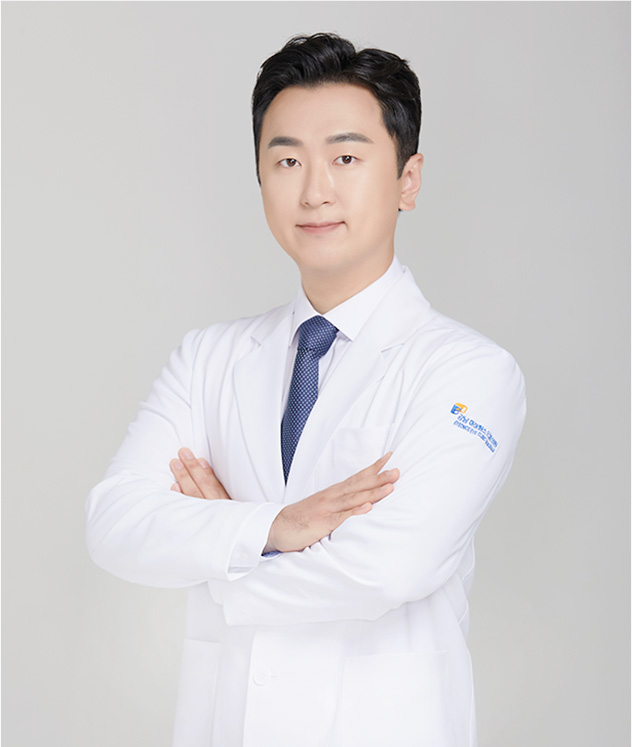
Representative Director · Former Clinical Instructor, Dept. of Ophthalmology, Samsung Seoul Hospital · Member, Korean Society of Cataract and Refractive Surgery · Member, American Society of Cataract and Refractive Surgery
International patients share what actually happened — from their first fears to waking up the next morning without glasses.
Our patients share their stories on Google — verified, public and unfiltered. Open the map to read every review straight from the source.
Tell us your prescription and travel dates. Our English-speaking team will design your personalized plan — free of charge, no pressure.
An English-speaking eye clinic in the heart of Gangnam, Seoul — moments from Sinnonhyeon Station and easily reached from Incheon International Airport.
5–6F, Duo Sinnonhyeon, 368 Sapyeong-daero, Seocho-gu, Seoul, South Korea
+82-10-6308-0984 — English, Chinese, Mongolian & Thai
Mon, Tue, Thu, Fri 09:00–18:00 · Sat 09:00–16:00 · Lunch break 13:00–14:00 · Closed Wed & Sun
By appointment only · Registration may close early depending on the day’s schedule.
Sinnonhyeon Station (Line 9 / Sinbundang Line) — 3 min walk. Gangnam Station (Line 2) nearby.